
Print on demand shares the zero-inventory model with general dropshipping, but the dominant filter here is narrower and more specific: how deeply and reliably the platform integrates with print providers like Printful, Printify, and Gelato, since product sync, mockup generation, and order routing all depend on that connection working without manual intervention.
This guide ranks 4 platforms specifically on POD provider integration depth, distinct from a general dropshipping guide covering broader supplier sourcing.
In this guide, you’ll learn which platform supports stacking multiple POD providers on one store, what changes once you’re running a serious POD brand versus testing designs, and how provider choice, not just platform choice, affects your real shipping speed and product quality.
Table of Contents
Key Takeaways
- Shopify integrates with the largest number of POD providers, Printful, Printify, Gelato, SPOD, Gooten, and dozens more, letting a single store stack multiple providers for different product categories.
- Etsy is the fastest way to get in front of real buyers without building a website, connecting to Printful or Printify in under 10 minutes, but per-item listing fees and transaction fees squeeze margin more than a self-hosted platform.
- WooCommerce supports all major POD providers through plugins at no platform fee, a real cost advantage once volume is consistent, at the cost of more technical setup than Shopify.
- Wix offers surprisingly deep POD integration (10-plus providers) at a lower price point than Shopify, a reasonable middle ground for a creator wanting more than Etsy’s marketplace constraints without Shopify’s cost.
- Provider choice affects real shipping speed as much as platform choice: Gelato’s 140-plus production centers across 32 countries mean around 85% of orders produce in the same country they ship to, a meaningfully faster delivery than a single-warehouse provider.
Quick Comparison
| Platform | Starting Price | POD Provider Integrations | Best For |
|---|---|---|---|
| Shopify | $29/month (annual, promotional pricing may apply) | Printful, Printify, Gelato, SPOD, Gooten, and dozens more | Serious POD brands wanting the deepest, most reliable integrations |
| Etsy | Free to open a shop | Printful, Printify, Gooten, Awkward Styles | Testing designs and getting in front of buyers fast |
| WooCommerce | Free plugin + hosting | Printful, Printify, Gooten, and others via plugins | Technical sellers wanting zero platform fees and SEO control |
| Wix | $27/month (Business Basic) | Printful, Printify, Modalyst, Spocket | Creators wanting visual ease with solid POD depth |
The Real Decision Factors for POD Sellers
A general dropshipping ranking cares about broad supplier variety. Print on demand’s real filter is narrower: does the platform’s integration with Printful, Printify, or Gelato handle product sync, mockup generation, and order routing automatically, or does it require manual intervention that doesn’t scale past a handful of orders a day.
The first real test is integration depth and reliability, does connecting Printful to the platform actually automate fulfillment end to end, or does it require checking and manually approving orders.
The second test is whether the platform supports running multiple POD providers simultaneously, using Printful for apparel and Printify for home goods, for example, which matters once a POD brand wants a wider product range without being locked into a single provider’s catalog and shipping network.
We evaluated each platform on native and app-based POD provider integration depth, fulfillment automation reliability, and total cost including platform fees, transaction fees, and provider markup, cross-referenced against our Shopify review for the broader no-inventory business model this guide narrows down specifically for print-on-demand fulfillment.
Shopify: Best for Serious POD Brands Wanting the Deepest Integrations
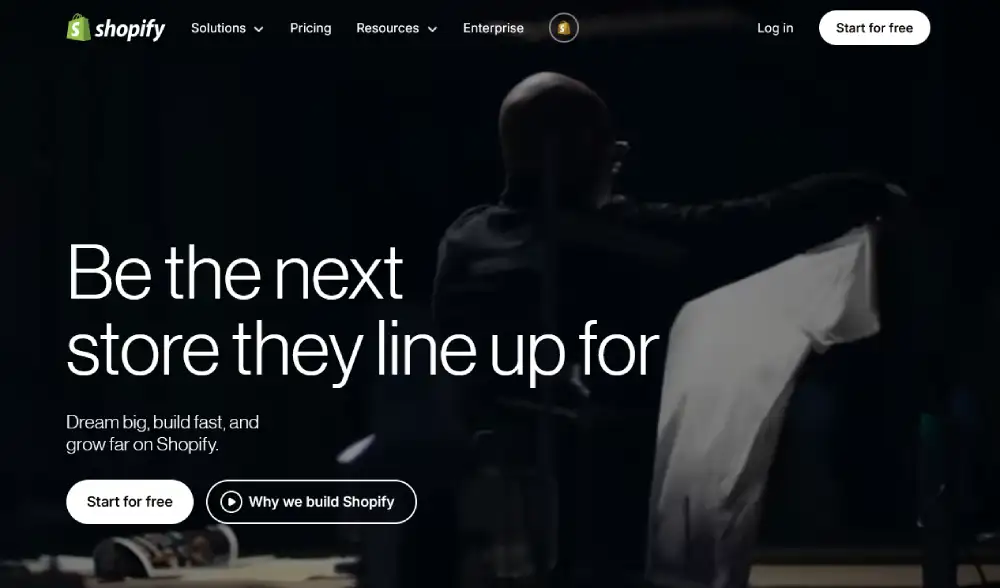
Shopify integrates with more POD providers than any other platform, Printful, Printify, Gelato, SPOD, Gooten, CustomCat, Lulu xPress, and dozens more through its app store, letting a POD brand stack multiple providers for different product categories, apparel through Printful, home goods through Printify, without being locked into a single provider’s catalog.
Key Features
Deepest POD provider ecosystem: Over 50 print-on-demand apps available, covering nearly any product category or provider preference.
Multi-provider stacking: Run Printful for apparel and Printify for home goods simultaneously from the same store, maximizing product range.
Automated order routing: Connected POD apps sync product data and route orders to fulfillment automatically, without manual approval steps.
Native social ad integrations: Facebook, Instagram, TikTok, and Pinterest integrations support the paid-social acquisition most POD brands rely on.
YouTube integration: The only platform on this list letting content creators link products directly below their videos.
Pros
- The deepest and most reliable POD integration ecosystem of any platform, reducing the risk of manual fulfillment errors as order volume grows.
- Multi-provider stacking lets a brand offer a wider product range than any single POD provider’s catalog alone.
Cons
- The $29/month starting price (plus provider costs) is a real commitment compared to Etsy’s free-to-start model for testing designs.
- Transaction fees apply on the Basic plan unless using Shopify Payments, worth checking against your specific POD provider’s payment flow.
Who It’s Best For
POD sellers ready to build a real brand and scale past design-testing, who want the deepest provider integration ecosystem and multi-provider flexibility.
Pricing
Starts around $29/month billed annually, often with promotional first-month pricing. POD provider costs (Printful, Printify, etc.) are separate and billed per order.
Etsy: Best for Testing Designs and Getting in Front of Buyers Fast

Etsy connects to Printful or Printify in under 10 minutes, letting a new POD seller list products and start getting real buyer feedback without building a website or investing in paid ads.
That speed and built-in traffic comes at the cost of per-item listing fees and transaction fees that squeeze margin more than a self-hosted platform, but for validating whether a design sells, Etsy remains the fastest path to real data.
Key Features
Fast Printful and Printify connection: Link an account and start listing products in under 10 minutes, no website build required.
Built-in buyer traffic: Shoppers actively searching for products find your designs without paid ads or SEO investment.
Automated fulfillment sync: Orders flow to your connected POD provider automatically once a sale happens.
Low upfront cost: No platform subscription fee, only per-listing and transaction costs.
Pros
- The fastest way to get real buyer feedback on a design without building a website or spending on ads.
- No monthly platform fee makes it the lowest-risk way to test whether a specific design or niche sells at all.
Cons
- Per-item listing fees plus transaction fees and payment processing fees squeeze POD margins, which are already thinner than bulk-purchased inventory margins.
- Etsy, not you, owns the customer relationship and brand presentation, the same tradeoff handmade sellers face on the platform.
Who It’s Best For
New POD sellers testing designs and niches who want real buyer feedback fast, before committing to a self-hosted platform’s subscription cost.
Pricing
Free to open a shop. Per-listing fees plus transaction fees and payment processing apply on each sale.
WooCommerce: Best for Technical Sellers Wanting Zero Platform Fees
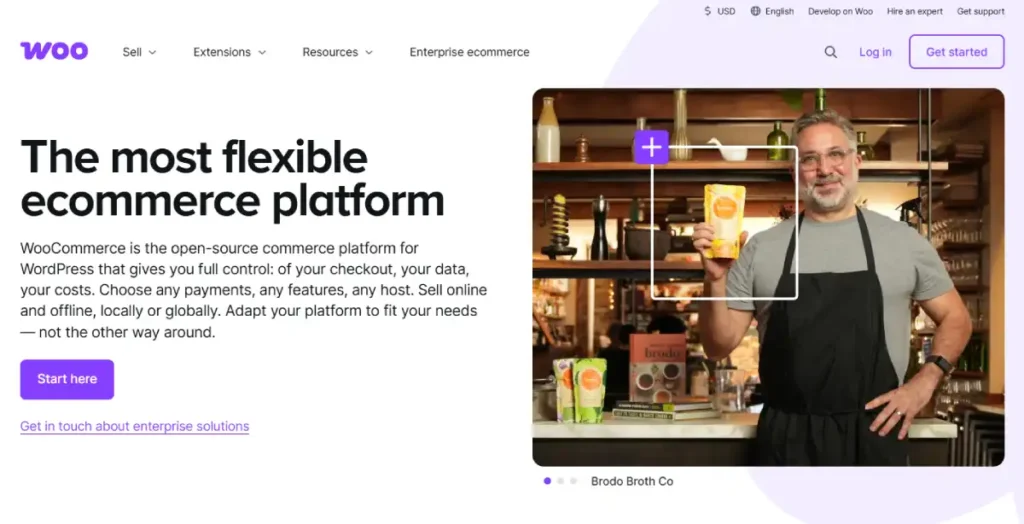
WooCommerce supports all major POD providers, Printful, Printify, Gooten, and others, through dedicated plugins that handle automatic order routing and fulfillment, giving a technically comfortable seller full customization control and zero platform transaction fees, at the cost of more setup work than Shopify’s more guided integration process.
Key Features
Plugin-based POD integrations: Printful, Printify, and Gooten all offer WooCommerce plugins with automated order routing.
No platform transaction fees: Only standard payment gateway fees apply, preserving more of POD’s already-thinner margins.
Strong content and SEO tools: WordPress’s native blogging and SEO capabilities support niche-focused organic traffic strategies common in POD.
Full customization control: Complete flexibility over store design and product presentation, unlike a fixed-template platform.
Pros
- Zero platform transaction fees preserve more margin on products where per-unit profit is already thinner than bulk-purchased inventory.
- WordPress’s SEO and content tools give POD brands targeting passion-based niches (dog lovers, gamers, nurses) a real organic traffic advantage.
Cons
- Setup requires more technical work than Shopify’s more guided POD app integration process.
- Hosting, security, and plugin conflict management fall on the merchant, an ongoing operational responsibility beyond the plugin’s zero cost.
Who It’s Best For
Technically comfortable POD sellers targeting a specific niche who want to build organic traffic through content and SEO alongside zero platform fees.
Pricing
Core plugin is free. Realistic total cost including hosting and essential plugins runs $300 to $800/year for a basic store.
Wix: Best for Creators Wanting Visual Ease with Solid POD Depth
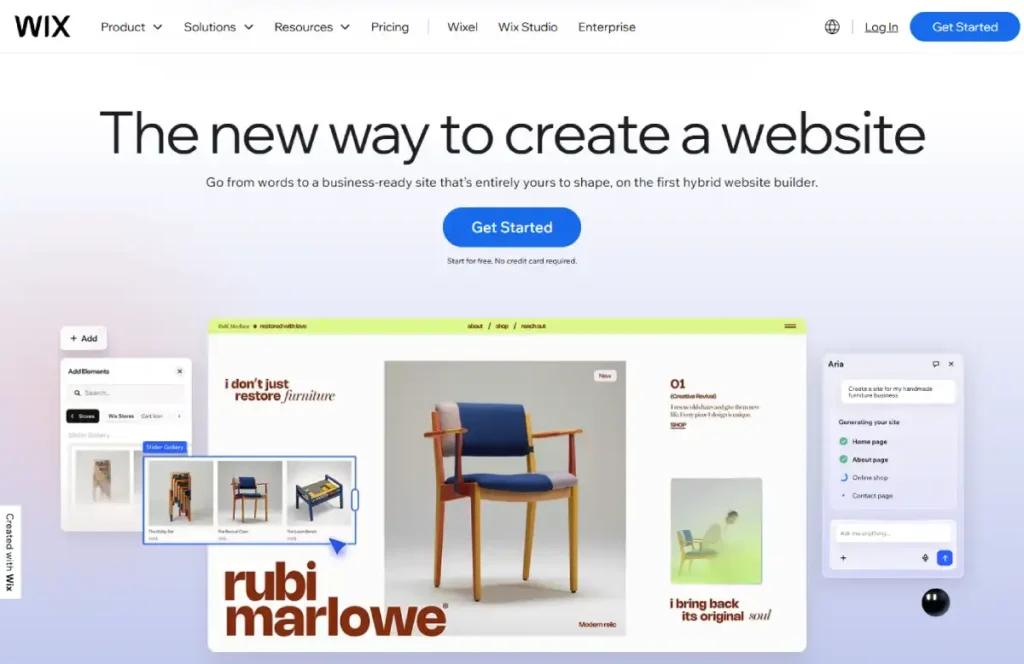
Wix offers a genuinely deep POD integration ecosystem, 10-plus providers including Printful, Printify, Modalyst, and Spocket, at a meaningfully lower price point than Shopify, making it a reasonable middle ground for a creator who wants more design control than Etsy’s marketplace format without Shopify’s full cost commitment.
Our Wix review covers its editor and template depth in more detail.
Key Features
10-plus POD provider integrations: A surprisingly deep ecosystem for a platform not primarily built around ecommerce.
True drag-and-drop editor: The most intuitive visual design control of any platform here, useful for a creator without technical background.
Lower cost than Shopify: A genuinely more affordable entry point for testing a POD brand beyond Etsy’s marketplace constraints.
Free plan for initial testing: Design and preview a store before committing to a paid plan for real sales.
Cons
- Fewer POD integrations and marketing tools overall than Shopify, a real ceiling once a POD brand wants to scale seriously.
- Inventory and product management tools stay comparatively basic, better suited to a curated product line than a large, varied POD catalog.
Who It’s Best For
Creators and small POD shops wanting visual design control and solid provider integration at a lower cost than Shopify, without Etsy’s marketplace constraints.
Pricing
Business Basic plan starts around $27/month, with a free plan available for initial design and testing (not for live sales).
POD Setup Mistakes to Avoid
Choosing a Platform Before Choosing Your POD Provider Strategy
The platform decision should follow the provider decision. If you know you want Gelato specifically for its fast local production network, or Printful for branded packaging, confirm that provider’s integration quality on your shortlisted platform before committing to either.
Locking Into a Single POD Provider When Multi-Provider Stacking Is Available
Shopify’s ability to run Printful for apparel and Printify for home goods simultaneously lets a brand offer a wider product range without being constrained by any single provider’s catalog gaps.
Underestimating How Much Provider Choice Affects Shipping Speed
Platform integration quality matters, but the underlying POD provider’s production network affects real delivery speed just as much. Gelato’s 140-plus production centers mean faster, more local fulfillment than a single-warehouse competitor, independent of which platform you’re selling on.
Testing Designs on a Paid Platform Before Validating Demand on Etsy or a Free Trial
Committing to Shopify’s monthly cost before knowing whether a specific design or niche resonates risks real money on unvalidated ideas. Test cheaply on Etsy or a free trial before scaling into a paid platform commitment.
How to Choose eCommerce Platform for Print on Demand
If you’re serious about building a real POD brand and want the deepest, most reliable provider integrations with room to stack multiple providers, Shopify is the strongest starting point.
If you’re testing designs and want real buyer feedback fast without building a website, Etsy’s speed and built-in traffic get you there quickest, at the cost of thinner margins.
If you’re technically comfortable and want zero platform fees plus strong SEO tools for a niche-focused POD brand, WooCommerce offers that combination.
If you want more design control than Etsy without Shopify’s full cost commitment, Wix’s surprisingly deep POD integration ecosystem is a reasonable middle ground.
FAQ’s
What’s the best print-on-demand provider to pair with my platform choice?
It depends on priorities. Printful offers the strongest branding options (custom labels, packaging inserts). Printify offers the largest, most cost-competitive product catalog.
Gelato offers the fastest international shipping through its 140-plus local production centers. Provider choice affects fulfillment quality as much as platform choice does.
Can I run multiple POD providers on the same store?
Yes, most easily on Shopify, where you can connect Printful for one product category and Printify for another simultaneously. This lets a brand offer a wider product range without being limited to a single provider’s catalog.
Is Etsy or Shopify better for starting a print-on-demand business?
Etsy is faster and cheaper for testing whether a specific design or niche sells, with built-in buyer traffic. Shopify is the stronger choice once you’re ready to build a real, scalable brand, with deeper provider integrations and lower long-term fee structure at meaningful volume.
How much does print-on-demand really cost to start?
Etsy costs nothing upfront beyond per-listing and transaction fees. Shopify runs around $29/month plus per-order provider costs.
WooCommerce’s plugin is free but requires hosting, typically $15 to $60/month. In all cases, the POD provider (Printful, Printify, etc.) charges per-unit production costs separately from the platform fee.
What’s the difference between this guide and a best platform for dropshipping guide?
This guide covers custom-printed products fulfilled through dedicated POD providers like Printful and Printify specifically. A general dropshipping guide covers broader supplier sourcing, including AliExpress-based products via DSers, which is a different supplier relationship and margin structure than POD.
Final Thoughts
For print on demand, the platform decision comes down to integration depth and reliability with your chosen POD provider, plus how much design and brand control you want versus a marketplace’s built-in traffic.
Shopify offers the deepest, most reliable provider ecosystem for a serious POD brand, Etsy remains the fastest way to validate a design cheaply, and WooCommerce or Wix serve specific niches, technical SEO-focused sellers, or budget-conscious creators, respectively.
If you’re deciding between print on demand and a broader dropshipping model, or want the full platform economics before committing, our Shopify review and the best platform for dropshipping guide are good next stops.